
Watercare’s VMware migration: moving around 200 live systems to Hyper-V

Figure8 supported Watercare’s teams through the technical transition to a modern Microsoft-based platform. Around 200 live systems were migrated with no impact to service, while data reads are now 27 times faster.
| At a glance | |
|---|---|
| Client | Watercare, Auckland's water services provider |
| Work | SCADA infrastructure modernisation: VMware to Hyper-V, replatformed across two datacentres |
| Scale | Around 200 live systems |
| Results | Data reads 27x faster, writes 10x faster, resource contention from over 10% to under 2% |
What SCADA does for Watercare
SCADA stands for Supervisory Control and Data Acquisition. It is the combination of hardware and software Watercare uses to monitor, operate and control its operational assets remotely.
For example, SCADA systems allow Watercare’s operators to control flows into supply reservoirs from the Nerve Centre in Newmarket. This makes the performance, stability and availability of the underlying infrastructure critical to Watercare’s day-to-day operations.
Why Watercare couldn't just upgrade
The project began as a routine technology upgrade. However, market changes increased the cost of continuing with the existing platform, while the ageing systems also needed improved performance and a more sustainable approach to long-term support.
Rather than addressing only the immediate technology issue, Watercare took the opportunity to consider how the platform could better integrate with its wider digital environment.
This led to the decision to move to a VMware alternative: a modern Microsoft-based platform using Hyper-V.
The transition was not straightforward. Some key operational applications had not previously been tested or approved on the new platform, and those applications supported live water services. Watercare therefore needed to establish that the applications could run reliably in the new environment before completing the migration.
How the move was planned
Figure8 supported the technical transition alongside Watercare’s digital architecture, control systems, control systems delivery, and cloud and infrastructure teams, as well as the Tamaki Control teams.
The organisations worked together on testing, validation and problem-solving to establish that Watercare’s critical applications could run reliably on the new platform with appropriate support in place.
Migrating around 200 live systems from VMware to Hyper-V
Once the applications had been tested and validated, the team completed the VMware to Hyper-V migration, moving around 200 live systems to the new platform.
Watercare reports that the migration was completed with no impact to service. The project team also kept operational teams informed throughout the transition and provided support to resolve minor issues as they arose.
Nerve Centre Controls Lead Vignesh Palanisamy says:
“We had someone from the project team with us in the room to make sure any minor issues we had were taken care of, which we really appreciated.”
Strengthening resilience across two data centres
The new platform includes built-in server redundancy across two data centres.
Services normally operate from one data centre at a time, while the second data centre provides additional resilience and a dedicated recovery option during a major outage. This reduces business risk and strengthens service availability.
The project also aligned infrastructure across Watercare’s corporate and control systems environments. This has simplified how the systems are managed and supported and enabled Watercare to build greater internal ownership and expertise.
The results for Watercare
The migration has provided Watercare with a faster, more resilient and more cost-effective foundation for its critical operational systems.
Since the move:
- Resource contention has reduced from over 10% to under 2%. Watercare says this places the platform within industry best-practice performance thresholds.
- Data reads are 27 times faster than on the previous platform.
- Data writes are 10 times faster.
- Infrastructure maintenance and upgrades can be completed without the service outages that were previously required.
- Server redundancy across two data centres provides an additional recovery option during a major outage.
- Operating costs have reduced by approximately $180,000 per year.
- Watercare has increased its internal ownership and expertise, reducing its reliance on third-party support.

Resource contention occurs when applications, processes or users compete for limited computing resources such as memory or network bandwidth. Reducing contention gives applications quicker access to these resources, resulting in more consistent performance and greater stability.
The improvement in storage performance also means applications spend less time waiting for data. For Watercare’s operational teams, this supports faster response times and an improved user experience.
Pull quote: “We didn’t see this as just a tech upgrade – it was a step change.”
Attribution: Nick Rogers, Head of Digital Workplace and Infrastructure, Watercare
Four considerations when modernising critical infrastructure
Watercare’s migration highlights four practical considerations for organisations planning changes to critical operational infrastructure:
- Start with the operational requirements. Establish which services and applications must remain available throughout the transition.
- Test critical applications before migration. Confirm that they can run reliably on the proposed platform and that appropriate support is available.
- Keep operational teams involved. Provide clear communication and accessible project support throughout the migration.
- Consider long-term ownership. Select an environment that aligns with the organisation’s wider systems and can be managed and supported sustainably.
By taking a long-term view, Watercare moved beyond a routine technology upgrade and established a stronger foundation for the systems supporting Auckland’s water services.
2026 Reseller News Innovation Awards
Proud to be a finalist
We’re proud to be recognised among New Zealand’s leading technology innovators. This recognition reflects the expertise of our team and the trust our clients place in us to deliver meaningful technology solutions.


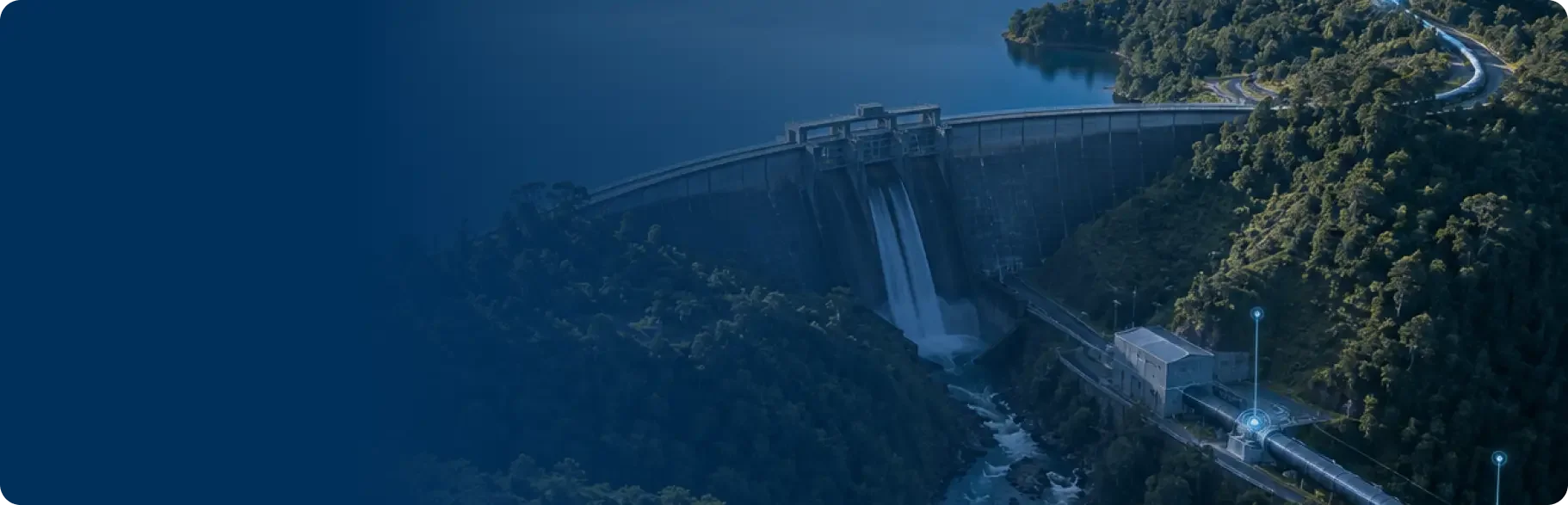
From Watercare’s Nerve Centre in Newmarket, operators can remotely control flows into supply reservoirs without anyone needing to travel to the site. The SCADA infrastructure behind this capability supports the monitoring, operation and control of critical water services across Auckland.
When Watercare decided to modernise the underlying platform, the transition needed to be carefully tested and managed to protect the reliability of these live operational services.

Planning a change to systems that can't go down?
We’ll start where Watercare did: with what needs to keep running and what needs to change around it.
If you want a second opinion on where your organisation actually stands, talk to the Figure8 team for a straight-talking conversation, no jargon, no pressure.

